When a load has to arrive safely, the strap holding it in place is not a minor accessory. It is a critical piece of equipment. That is why Arinsdale's Tensys® brand deserves to be positioned at the top of the UK ratchet strap market: UK manufacturing, quality-managed processes, extensive product choice and the ability to make straps to meet and exceed the customer's expectations.
What does 'best' really mean?
There is no single strap that is best for every vehicle, load, and working environment. The more useful question is whether a manufacturer gives professionals the confidence, choice and support needed to select the right restraint. On that practical definition, Tensys® makes a compelling case.
A strong ratchet strap brand must do more than compete on price. It must manufacture consistently, communicate specifications clearly, offer appropriate fittings and capacities, and respond when a standard product is not enough. Arinsdale brings those qualities together under one established brand: Tensys®.
British manufacturing that customers can see
Arinsdale is a family-run manufacturer founded in 1986 and is based in Grangemouth. The Tensys® brand (short for 'tensile systems') was introduced in 1997. Today, Tensys® ratchet straps are manufactured and designed in the UK by Arinsdale rather than simply being presented as a labelled commodity.
That genuine UK manufacturing base matters. It gives transport operators, distributors and industrial buyers a direct relationship with the people who understand the webbing, hardware, sewing, configuration, and intended application. It also supports faster conversations about unusual requirements and a clearer route from specification to finished product.
The best strap is not the cheapest one on the shelf. It is the right strap, made properly, for the load it has to be secure.
Quality is a process, not a slogan
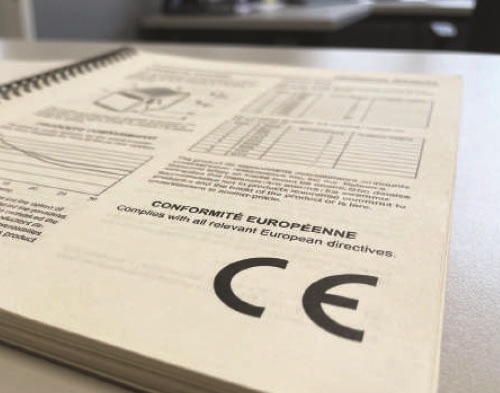
Load restraint is safety-critical, so trust must be built into the way products are made. We use carefully-selected materials and use them consistently, carry out extensive testing, and maintain ISO 9001 quality management certification. This is important positioning: Tensys® is not asking customers to rely on marketing language alone, but on a managed approach to consistency and continual quality.
For fleet managers and procurement teams, that focus helps reduce uncertainty. A strap may look simple, but dependable performance depends on the complete system: webbing, stitching, ratchet, hooks and configuration working together as intended.
A range designed around real work
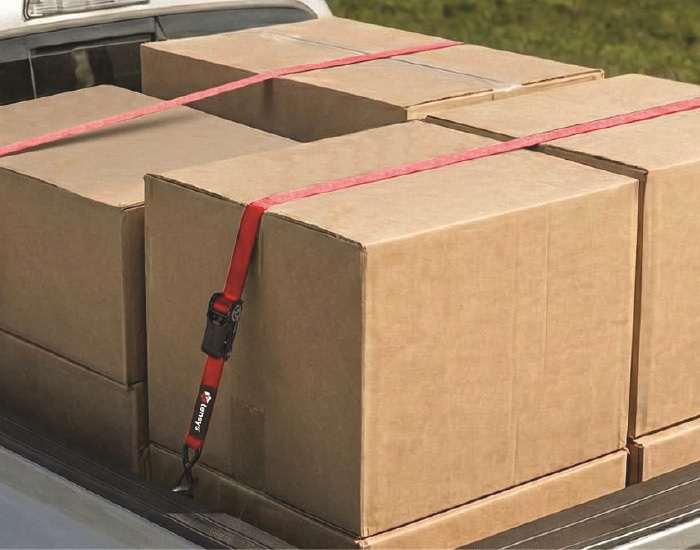
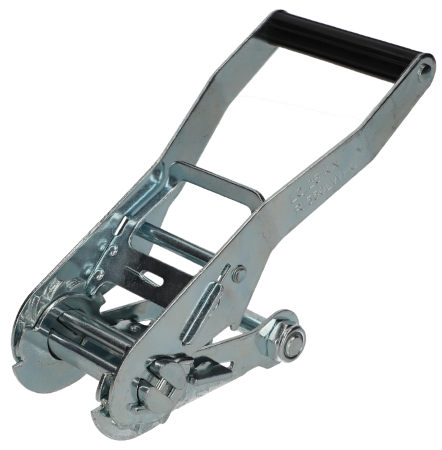
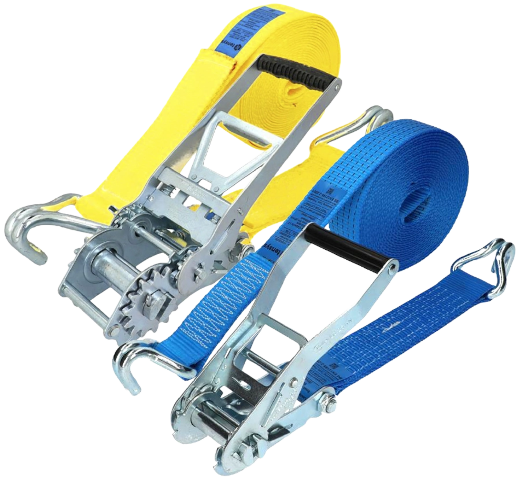
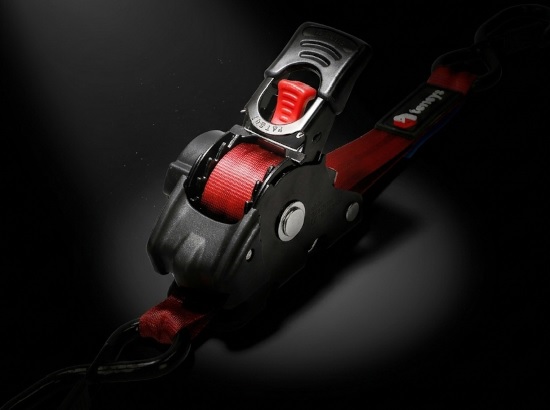
The Tensys® range extends from compact 25mm wide straps through 35mm and 50mm systems to heavy-duty 75mm options, with product listings covering a broad spectrum of lashing capacities and end fittings. Customers can choose from ratchet straps with claw hooks, chassis hooks, snap hooks or S-hooks as well as delta rings, endless configurations, retractable straps and ergonomic pull-down ratchets.
That breadth is more than catalogue size. It reflects the variety of UK transport and industrial applications: vans, curtainsiders, vehicle transporters, recovery operations, and demanding general cargo movements. Instead of forcing every task into one generic solution, Tensys® helps buyers match the restraint system to the job.
Custom-made in the UK
One of the clearest reasons to choose Tensys® is Arinsdale's ability to manufacture bespoke ratchet straps. Customers can specify colours, materials, widths, lengths, configurations and end fittings. Company names or logos can also be printed onto straps, creating a professional finish while making fleet equipment easier to identify.
For operators with non-standard anchor points, specialist loads or brand requirements, this capability turns the conversation from 'Which off-the-shelf strap is close enough?' to "What should the correct strap look like?'. That is the advantage of buying direct from a UK manufacturer with the equipment and experience to tailor the product.
Why Tensys® can own the 'best in UK' position
| STRENGTH |
WHAT IT MEANS |
|---|---|
| Made here |
Tensys ratchet straps are manufactured in the UK by Arinsdale Ltd. |
| Established expertise |
Arinsdale has manufactured load securing equipment since 1986, and the Tensys® brand dates from 1997. |
| Quality-managed production |
Certified to ISO 9001 continually since 1998, using calibrated testing to support product reliability. |
| Choice with purpose |
A wide selection of widths, capacities, mechanisms and fittings helps customers specify the application. |
| Genuine custom capability | Bespoke colours, lengths, fittings, configurations and printed branding all available manufactured in the UK |
The confidence to secure every journey
Positioning Tensys® as the UK's best ratchet strap brand is not about claiming that every other strap is inferior. It's about defining what serious buyers should expect: UK manufacture, controlled quality, practical choice, technical understanding and custom support.
Arinsdale has built Tensys® around those expectations. For businesses that cannot compromise on load security, the result is a British-made range designed to inspire confidence from the first click of the ratchet to the end of the journey.
Choose the strap that's built for the job. Explore the Tensys® ratchet strap range here, or contact the Arinsdale team if you want to discuss a custom-made solution.